Oven Cleaning in Modern Homes: A Practical Approach to a Fresher, Safer Kitchen
Oven cleaning is one of those household tasks that many people delay until the grime becomes impossible to ignore. Yet regular oven cleaning does far more than improve appearances. It helps your appliance run more efficiently, reduces lingering odors, prevents smoke during cooking, and supports a cleaner, healthier kitchen environment. Whether you cook daily or only on weekends, keeping up with oven cleaning can make a noticeable difference in both the taste of your food and the comfort of your home.
For many households, oven cleaning feels messy, time-consuming, and a little intimidating. Burnt grease, baked-on spills, and carbonized residue can make the job look bigger than it is. The good news is that with the right approach, oven cleaning becomes much more manageable. You do not need harsh chemicals in every case, and you do not need to wait until the oven is completely unusable before taking action. With consistent care, oven cleaning can be simple, effective, and even satisfying.
In this article, we will look at the importance of oven cleaning, the best methods for different types of ovens, useful tools and ingredients, safety tips, maintenance habits, and when it may be smarter to book professional oven cleaning. If you want a cleaner kitchen, better cooking results, and less stress around stubborn buildup, this topic is worth your attention.
Why Oven Cleaning Matters More Than Most People Think

Oven cleaning is not just about keeping the appliance visually neat. Over time, grease, food splashes, and carbon deposits can affect performance and hygiene. When residue accumulates, it may smoke at high temperatures, create unpleasant smells, and even influence the flavor of dishes. A neglected oven can also become harder to heat evenly, which can affect baking and roasting results.
One major reason to prioritize oven cleaning is safety. Heavy grease buildup can produce smoke when the oven is in use, and in extreme cases, it can become a fire risk. Regular oven cleaning lowers this risk by removing flammable residue before it builds up too much. This is especially important if you frequently roast fatty foods or prepare meals that splatter during cooking.
There is also a hygiene benefit. Food residue left in the oven can attract bacteria, unpleasant odors, and general kitchen mess. While the intense heat of the oven does not create the same conditions as a sink or countertop, a dirty oven still contributes to an unsanitary cooking space. Keeping up with oven cleaning helps maintain a more pleasant, more professional-feeling kitchen.
Understanding the Different Types of Oven Cleaning
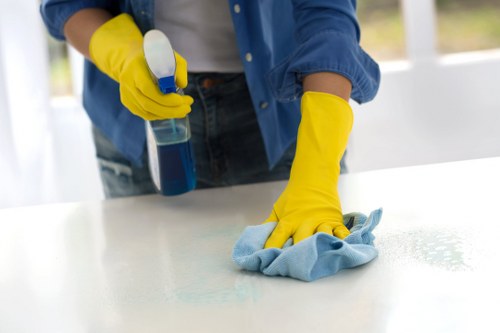
Not all oven cleaning methods are the same. The right approach depends on the oven type, how dirty it is, and how much time you have. Some ovens have self-cleaning settings, while others require manual cleaning with household products or specialized cleaners. Understanding these differences can save time and prevent damage.
Manual oven cleaning
Manual oven cleaning usually involves removing loose debris, applying a cleaning solution, scrubbing surfaces, and wiping away residue. This method gives you control over the process and allows you to target specific areas, such as the glass door, racks, corners, and seals. It is often the best option for routine oven cleaning because it is flexible and can be done with simple ingredients.
Self-cleaning ovens
Some ovens have a self-cleaning function that uses high heat to burn off residue. While this can reduce the need for heavy scrubbing, it is not always the most convenient option. The cycle can take several hours and may produce odors or extra heat in the kitchen. Even with a self-cleaning oven, occasional manual oven cleaning is still useful for racks, doors, and lighter buildup.
Steam cleaning
Steam-assisted oven cleaning uses moisture and heat to soften grime, making it easier to wipe away. This method is gentler than high-heat cleaning and can be a good choice for maintenance between deeper cleans. However, for thick grease or carbonized residue, steam cleaning alone may not be enough.
Best Times to Schedule Oven Cleaning
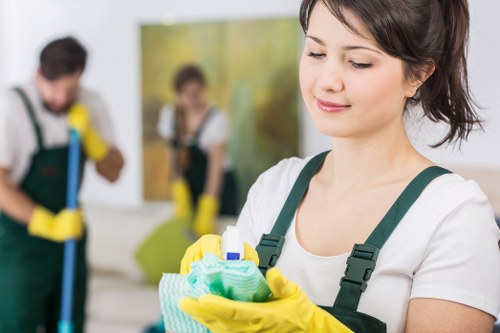
Oven cleaning works best when done before grime becomes deeply baked on. If you wait too long, the task takes more effort and often requires stronger solutions. A good rule is to inspect the oven regularly and clean it when you start noticing visible grease, smoke, or odors. For many homes, a light oven cleaning every few weeks and a deeper clean every few months works well.
There are also signs that your oven needs attention sooner. For example, if food is cooking unevenly, if the oven smells burnt even when empty, or if smoke appears during normal use, it is time to act. These signs often indicate residue buildup on the floor, walls, or heating elements.
Seasonal habits can also help. Many households prefer oven cleaning before holidays, special gatherings, or periods of frequent cooking. This makes sense because the kitchen tends to work harder at those times. A clean oven supports better cooking results and helps reduce stress when you are preparing multiple meals.
Helpful cleaning frequency tips
- Wipe spills after the oven cools to prevent hard buildup.
- Do a light oven cleaning monthly if you cook often.
- Deep clean before important events or baking-heavy periods.
- Clean oven racks separately when they begin to discolor or feel greasy.
Tools and Materials That Make Oven Cleaning Easier

The right tools can make oven cleaning much easier and less physically demanding. You do not need a drawer full of specialty products, but a few practical items can improve the process and reduce frustration. Starting with the basics also helps you avoid scratching surfaces or using products that are too harsh for your appliance.
Common oven cleaning supplies include microfiber cloths, soft sponges, a non-abrasive scrub pad, rubber gloves, a plastic or silicone scraper, warm water, baking soda, vinegar, dish soap, and a spray bottle. These items are useful for loosening grime, wiping away residue, and reaching corners without damaging the finish.
If you prefer a commercial product, look for one designed specifically for oven cleaning. Always read the label carefully and make sure it is safe for your oven’s interior surface. Some formulas are stronger than others, so ventilation and proper usage matter. A little preparation before starting can make the entire process smoother and safer.
Optional items for stubborn buildup
- Pumice-style cleaning tools made for ovens
- Plastic razor blades for glass doors
- Old toothbrushes for tight corners
- Non-scratch pads for detailed scrubbing
- Trash bags or newspaper to protect nearby surfaces
Step-by-Step Oven Cleaning Approach for Better Results

A structured method makes oven cleaning less overwhelming. When you break the job into manageable steps, you can handle even a dirty oven without feeling stuck. The key is to work patiently, allow cleaning agents time to loosen buildup, and avoid tools that could damage the appliance.
Step 1: Prepare the area
Before starting, turn off the oven and let it cool fully. Remove the racks, trays, and any loose debris. Open windows if you plan to use a stronger cleaner, and place old towels or paper around the work area if needed. Preparation makes oven cleaning safer and helps you focus on each surface.
Step 2: Remove loose crumbs and grease
Use a dry cloth or soft brush to remove crumbs and loose particles. This simple step prevents grime from spreading during the wet cleaning stage. It also makes it easier to see the areas that need the most attention.
Step 3: Apply your chosen cleaner
For a natural option, mix baking soda with a little water until it forms a spreadable paste. Apply it to greasy areas, avoiding heating elements and electrical parts. For commercial cleaners, follow the instructions carefully. Let the product sit long enough to soften the buildup. Patience is essential in oven cleaning because rushing often leads to extra scrubbing.
Step 4: Scrub gently
After the cleaner has had time to work, use a non-abrasive sponge or cloth to scrub away softened residue. Focus on the walls, corners, oven floor, and door glass. For stubborn spots, repeat the application rather than using excessive force. Gentle repeated cleaning is better than aggressive scrubbing that could damage the finish.
Step 5: Wipe and rinse thoroughly
Use a clean, damp cloth to remove all cleaner residue. This step is especially important when using baking soda or commercial products. Any leftover residue can smoke when the oven heats up. Rinse the surfaces well until they feel clean and fresh.
Step 6: Clean the racks separately
Oven racks usually need soaking in warm water mixed with dish soap or baking soda. After soaking, scrub them with a soft pad and rinse thoroughly. Dry them before putting them back in the oven. Clean racks improve both appearance and functionality.
Natural Oven Cleaning Methods That Work Well
Many homeowners prefer natural oven cleaning methods because they are simple, inexpensive, and less aggressive than chemical cleaners. These approaches are especially useful for routine maintenance and lighter grime. While they may take longer on heavy buildup, they are often effective when used consistently.
Baking soda and vinegar
Baking soda is one of the most popular ingredients for oven cleaning. When mixed with water, it forms a paste that can loosen grease and baked-on residue. Vinegar can then help lift remaining film and make wiping easier. This combination is useful for deodorizing the oven as well, leaving it fresher after cleaning.
Lemon-based cleaning
Lemon is another natural option with mild acidity and a pleasant scent. You can place a heat-safe dish with water and lemon slices in a warm oven to create steam that softens grime. After cooling, wipe the surfaces clean. This method works well for maintenance and helps reduce lingering odors.
Soap and warm water
Sometimes simple is best. For light spills and routine oven cleaning, warm water and dish soap can be enough. This method is gentle and ideal for frequent wiping of the door, handles, and outer surfaces. Keeping up with small messes reduces the need for a full deep clean later.
Natural methods are especially helpful when you want a safer, lower-odor cleaning routine. They can be part of a regular maintenance schedule that keeps the oven looking better with less effort over time.
When Commercial Oven Cleaners Make Sense
Although natural methods work well for many situations, sometimes a commercial cleaner is the better choice. If the oven has thick grease deposits, burned-on spills, or long-term neglect, a stronger product may be needed. In these cases, oven cleaning products designed for heavy-duty use can save time and effort.
Commercial products are often effective because they are formulated to break down carbonized residue quickly. That said, they should be used carefully. Always ensure proper ventilation, wear gloves, and avoid mixing cleaners. Some strong formulas are not suitable for certain self-cleaning or specialty ovens, so checking compatibility is essential.
Choosing the right cleaner is not about using the strongest product available; it is about using the safest product that gets the job done. If the oven is older or has a delicate finish, test a small area first when possible.
Things to remember with commercial products
- Read the label before applying anything.
- Keep the kitchen ventilated while cleaning.
- Do not mix bleach, ammonia, or other chemicals.
- Rinse thoroughly after use to remove residue.
- Store products safely away from children and pets.
Common Mistakes to Avoid During Oven Cleaning
Even with good intentions, oven cleaning can go wrong if you rush or use the wrong technique. Avoiding common mistakes helps protect your appliance and makes the job more effective. Small details matter, especially when working with heat-sensitive components and coated surfaces.
- Cleaning a hot oven can lead to burns and uneven results.
- Using steel wool may scratch the interior and glass.
- Skipping the rinse step can leave residue that smokes later.
- Overusing cleaner can create excessive fumes and waste product.
- Ignoring the racks leaves the oven only half-clean.
Another common mistake is forgetting the door seals and edges. These areas collect grease and crumbs over time, and if they are neglected, the oven may continue to smell dirty even after the interior is cleaned. A detailed oven cleaning routine should include every accessible surface.
How Regular Oven Cleaning Improves Cooking Performance
People often think of oven cleaning as a cosmetic task, but it also affects how food cooks. Clean interior surfaces reflect heat better and reduce the chance of smoke interfering with flavor. If residue is coating the floor or walls, the oven may not distribute heat as evenly, which can affect baking, roasting, and reheating.
For home bakers, this matters even more. Uneven heat can lead to cakes rising irregularly or cookies browning too quickly in certain spots. A clean oven supports more reliable results. That does not mean oven cleaning will solve every temperature issue, but it can remove one of the most common causes of inconsistent performance.
There is also a sensory benefit. A freshly cleaned oven smells better, heats more predictably, and makes the whole kitchen feel more inviting. When cooking becomes less frustrating, people are often more willing to spend time preparing meals at home.
Small habits that support better results
- Cover dishes prone to splatter.
- Place a tray under bubbling foods when possible.
- Wipe spills shortly after the oven cools.
- Inspect the oven regularly for residue buildup.
Professional Oven Cleaning: When It Is Worth Considering
Sometimes oven cleaning becomes too time-consuming or physically difficult to handle alone. If the oven has years of buildup, if you are short on time, or if the appliance has stubborn stains that do not respond to normal methods, professional oven cleaning can be a smart option. Trained cleaners have the tools and experience to tackle heavy grime more efficiently.
Professional service is also helpful if you want a deeper result without spending an entire day scrubbing. This can be especially useful before hosting guests, moving into a new home, or restoring an oven that has been neglected for a while. A professional approach often reaches areas that are difficult to clean thoroughly by hand.
Choosing professional oven cleaning can be a practical investment in convenience, safety, and peace of mind. If your oven is making smoke, giving off strong odors, or simply too dirty to manage alone, it may be time to book your service now.
Maintaining a Cleaner Oven Between Deep Cleans
The easiest oven cleaning routine is the one that prevents heavy mess in the first place. A few maintenance habits can save time later and reduce the need for intense scrubbing. Keeping up with small tasks allows you to preserve the oven’s condition and make deep cleaning less frequent.
Simple maintenance habits
- Wipe spills once the oven is cool enough to touch safely.
- Use baking trays or liners where appropriate.
- Remove food debris from the oven floor after each use.
- Check racks and glass doors for buildup regularly.
- Give the oven a quick wipe during routine kitchen cleaning.
Another useful approach is to build oven cleaning into your broader kitchen cleaning schedule. When paired with countertop wiping, floor sweeping, and appliance care, oven maintenance becomes just another normal part of home upkeep. That makes the task feel much less intimidating.
Keeping the oven clean also helps it stay looking newer for longer. This can matter if you are trying to preserve the appearance of your kitchen or maintain a home for future sale or rental purposes. Clean appliances create a stronger impression and suggest the home is cared for properly.
Final Thoughts on Oven Cleaning
Oven cleaning may never be the most exciting household task, but it is one of the most rewarding. A clean oven supports better cooking, reduces smoke and odor, improves hygiene, and can even extend the life of the appliance. Whether you prefer natural methods, stronger products, or professional help, the key is consistency.
If you make oven cleaning part of your regular home routine, the job becomes far easier over time. Instead of battling layers of burnt residue, you will only need to handle light buildup and occasional spots. That means less effort, less frustration, and a kitchen that feels better every day.
Ready for a fresher kitchen and a cleaner appliance? Take the next step today. Contact us today or book your service now to make oven cleaning easier, safer, and more effective.