End of Tenancy Cleaning: A Practical, SEO-Friendly Approach to a Stress-Free Move-Out
What End of Tenancy Cleaning Really Means

End of tenancy cleaning is one of the most important tasks you face when moving out of a rented property. It is more than a quick tidy-up; it is a deep, thorough clean designed to return the home to the condition expected in a tenancy agreement.
Whether you are a tenant hoping to protect your deposit or a landlord preparing a property for the next occupant, end of tenancy cleaning plays a major role in the handover process. A well-cleaned property looks better, smells fresher, and gives a positive impression during the final inspection.
The phrase end of tenancy cleaning often refers to a full-property clean that covers everything from skirting boards and kitchen appliances to bathroom fixtures, windows, and hidden corners. In many cases, this is much more detailed than standard house cleaning.
Why End of Tenancy Cleaning Matters
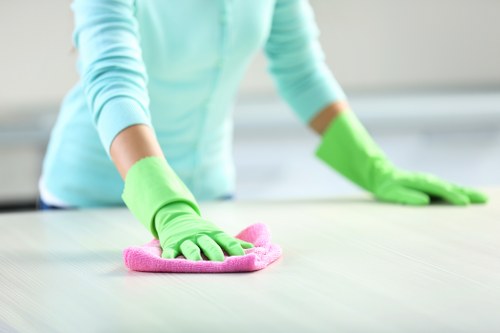
For tenants, end of tenancy cleaning can directly affect whether the full security deposit is returned. Most tenancy agreements require the property to be left in a clean and presentable condition. If the home is not cleaned properly, deductions may follow.
For landlords and letting agents, a spotless property helps reduce vacancy time and makes it easier to market the home. A clean space photographs better, feels more inviting, and signals that the property has been well cared for.
There is also a practical side. Deep cleaning helps remove grease, limescale, dust, mould, and odours that build up over time. In other words, end of tenancy cleaning services are not just about appearance; they help preserve hygiene and property value.
Common reasons people book this service
- To meet tenancy agreement cleaning requirements
- To improve the chance of getting the deposit back
- To prepare a property for new tenants
- To save time during a stressful move
- To handle areas that need specialist attention
What Is Included in Professional End of Tenancy Cleaning?

A professional end of tenancy cleaning package usually covers the main rooms in the property and a range of detail-oriented tasks. Exact inclusions may vary, but the goal is the same: to leave the home in excellent condition.
Most services include the kitchen, bathrooms, bedrooms, living areas, hallways, and sometimes utility rooms. Professionals focus on built-up grime, hard-to-reach areas, and items that are often missed in everyday cleaning.
Here is a typical breakdown of what may be included in end of tenancy cleaning:
- Dusting and wiping all accessible surfaces
- Cleaning inside and outside kitchen cupboards
- Degreasing ovens, hobs, and extractor fans
- Descaling taps, showers, sinks, and tiles
- Vacuuming and mopping floors
- Cleaning skirting boards, light switches, and door frames
- Removing cobwebs and dust from corners and ceilings
Kitchen Cleaning: The Most Demanding Room

The kitchen is often the toughest part of end of tenancy cleaning. Grease, food splashes, and appliance build-up can make this room much harder to clean than the rest of the property. That is why many landlords and agents inspect the kitchen very closely.
Professional cleaners usually pay special attention to ovens, hobs, sinks, splashbacks, cupboards, and worktops. They also tackle fridges, freezers, dishwashers, washing machines, and microwaves if these are included in the tenancy.
A deep end of tenancy cleaning for the kitchen often includes removing burnt-on residue, polishing stainless steel surfaces, and cleaning behind and around appliances. This not only improves hygiene but also helps the room look newer and better maintained.
Key kitchen tasks
- Inside and outside of oven
- Hob, knobs, and extractor hood
- Cupboards and drawers
- Sink, taps, and drain area
- Countertops and splashbacks
- Floor edges and skirting boards
Bathroom Cleaning: Hygiene and Presentation

Bathrooms require a careful, detailed approach because they are exposed to moisture, soap residue, limescale, and mould. A strong end of tenancy cleaning routine will restore shine and hygiene to this important room.
Cleaners typically focus on toilets, sinks, baths, showers, mirrors, tiles, taps, and extractor fans. Special attention is given to grout, seals, and areas where limescale or mildew may have formed. These details matter because bathroom cleanliness is often one of the first things inspectors notice.
When done properly, end of tenancy cleaning makes the bathroom look brighter, fresher, and more appealing. It can also reduce the risk of complaints from the next tenant and support a smooth move-out inspection.
Typical bathroom tasks
- Descaling showerheads and taps
- Cleaning toilet bowl, seat, and base
- Scrubbing tiles and grout
- Polishing mirrors and glass
- Removing soap scum and watermarks
- Cleaning cabinets, shelves, and vents
Living Rooms, Bedrooms, and Hallways
Although kitchens and bathrooms often require the deepest work, the other rooms still matter in end of tenancy cleaning. Living rooms, bedrooms, and hallways collect dust, fingerprints, and general wear over time, especially in busy households.
Cleaning these areas usually includes dusting furniture, wiping surfaces, vacuuming carpets, and removing marks from walls, switches, and doors where possible. Window sills, radiators, and skirting boards should also be checked carefully.
For rented homes, a neat and spotless interior helps create a strong final impression. Even small details, such as clean light fittings and dust-free corners, can make a noticeable difference during the inspection.
How End of Tenancy Cleaning Supports Deposit Recovery
One of the biggest concerns for tenants is the return of their deposit. End of tenancy cleaning is directly linked to that outcome because landlords and agents expect the property to be left reasonably clean and tidy.
If a room is overlooked or if grime is left behind, the deposit may be reduced to cover the cost of professional cleaning. In some cases, the landlord may deduct for specialist tasks such as oven cleaning, carpet cleaning, or removing stubborn stains.
This is why many tenants choose to book professional end of tenancy cleaning services instead of handling the whole job themselves. It can be a smart investment when the deposit value is much higher than the cost of cleaning.
To improve deposit recovery, tenants should:
- Check the tenancy agreement for cleaning clauses
- Keep receipts if professional cleaning is booked
- Take dated photos after the property is cleaned
- Repair minor damage where possible
- Do a final walk-through before handing over the keys
DIY End of Tenancy Cleaning vs Professional Cleaning
Some tenants prefer a DIY approach to end of tenancy cleaning, while others hire specialists to save time and reduce stress. Both options can work, but the right choice depends on your schedule, budget, and the condition of the property.
A DIY clean can be cost-effective if the property is small and has been kept in good condition. However, it can also be exhausting, especially when you are moving furniture, packing boxes, and dealing with utility transfers at the same time.
Professional cleaners bring experience, equipment, and efficient methods. They often know the standard expectations of landlords and letting agents, which can make the final result more reliable. For many people, professional end of tenancy cleaning is the easier and safer route.
DIY cleaning may suit you if:
- You have enough time before moving out
- The property is already in relatively good condition
- You have strong cleaning equipment and products
- You are comfortable tackling heavy-duty tasks
Professional cleaning may suit you if:
- You need a fast turnaround
- You want a higher chance of meeting inspection standards
- You are dealing with tough grime or large appliances
- You prefer to focus on the move itself
What Makes a Good End of Tenancy Cleaning Checklist?
A clear checklist is one of the most useful tools for successful end of tenancy cleaning. It keeps the work organised and helps make sure nothing important is missed. Without a checklist, it is easy to overlook small but visible details.
A solid checklist should cover all rooms, all surfaces, and the areas most often checked during inspections. It should also include extras such as interior windows, storage spaces, and appliances if they are part of the tenancy.
When preparing an end of tenancy cleaning checklist, think about what someone would notice during a detailed property walk-through. Dust, marks, odours, stains, and leftover debris are usually the first items to address.
Example checklist sections
- Kitchen cleaning
- Bathroom cleaning
- Bedroom and living area cleaning
- Hallway and stairs cleaning
- Appliance cleaning
- Surface and floor cleaning
- Final inspection and touch-ups
Challenges People Face During End of Tenancy Cleaning
Even when tenants are motivated, end of tenancy cleaning can be difficult. Time pressure is one of the biggest challenges, because moving day often comes with packing, paperwork, and transport arrangements.
Another common problem is underestimating how much effort a deep clean takes. What seems like a few hours of work can quickly become a full-day job or longer, especially if the property has not been cleaned thoroughly for some time.
Stubborn stains, mould, grease, limescale, pet hair, and hidden dirt can also make the task more demanding. This is where specialist products and professional techniques can make a major difference in the final result.
Typical obstacles include:
- Limited time before move-out
- Heavy dirt in kitchens and bathrooms
- Insufficient equipment or cleaning supplies
- Misunderstanding inspection standards
- Cleaning around bulky furniture and appliances
How to Prepare for End of Tenancy Cleaning
Preparation is key if you want end of tenancy cleaning to go smoothly. Before cleaning begins, it helps to remove personal items, empty cupboards, and disconnect appliances where needed. This gives better access to the full property.
It is also smart to separate rubbish, return borrowed items, and dispose of anything you no longer need. A decluttered home is much easier to clean and improves efficiency across every room.
If you are using a professional end of tenancy cleaning service, prepare the property so the cleaners can work quickly and safely. Clear instructions, access details, and a realistic schedule all help the process run more smoothly.
Preparation tips
- Pack and remove belongings first
- Defrost the fridge and freezer in advance
- Unplug small appliances
- Make a note of any damage already present
- Keep cleaning products and tools ready if doing it yourself
Seasonal and Property-Type Differences
End of tenancy cleaning is not exactly the same for every property. The size, age, and condition of the home can affect the amount of work required. For example, a studio flat may be quicker to clean than a large family house with multiple bathrooms.
Seasonal conditions can also make a difference. In winter, homes may collect more mud, salt marks, and damp-related issues. In summer, dust, pollen, and window smears may be more noticeable.
Properties with carpets, pets, smokers, or high traffic may need more intensive attention. That is why flexible end of tenancy cleaning solutions are so important for different property types.
Examples of factors that affect cleaning time
- Number of rooms and bathrooms
- Carpeted versus hard flooring
- Presence of pets
- Age of appliances
- Level of everyday upkeep
Why Search Intent Matters for End of Tenancy Cleaning
Many people searching for end of tenancy cleaning are looking for fast, practical answers. Some want to know what is included. Others want to understand pricing, deposit risk, or the benefits of hiring professionals.
That means content around this topic should answer user questions clearly and naturally. When readers find useful information quickly, they are more likely to trust the service and take action.
For SEO purposes, phrases like move out cleaning, rental property cleaning, tenancy cleaning, and deep cleaning before moving out help broaden visibility without sounding repetitive. Using related terms in a natural way can support stronger search performance.
End of Tenancy Cleaning Best Practices for Better Results
If you want the best outcome from end of tenancy cleaning, a methodical approach is essential. Start from the top of the property and work down, so dust and debris fall onto surfaces that have not yet been cleaned.
Focus on one room at a time to avoid missing details. This helps you stay organised and makes the process feel less overwhelming. It also reduces the risk of re-cleaning the same area repeatedly.
Use products suited to each surface, and always follow the manufacturer’s instructions for delicate materials. A careful, professional-style end of tenancy clean usually delivers the most polished results.
Helpful best practices
- Work room by room
- Use microfiber cloths for dust and polish
- Apply suitable degreasers in the kitchen
- Use descaler in bathrooms
- Vacuum before mopping floors
- Check under furniture and behind doors
How End of Tenancy Cleaning Helps New Tenants and Landlords
While tenants often focus on the deposit, landlords and new tenants also benefit greatly from end of tenancy cleaning. A spotless property is easier to market, easier to move into, and more pleasant to live in from day one.
For landlords, a clean property can improve tenant satisfaction and reduce complaints during the first few weeks of a new tenancy. It can also help identify maintenance issues that are easier to notice once the property has been thoroughly cleaned.
For new tenants, walking into a clean home creates a better experience and sets a positive tone for the tenancy. That is why end of tenancy cleaning services are often seen as a valuable part of the rental cycle.
Frequently Missed Areas During End of Tenancy Cleaning
Some areas are easy to overlook during end of tenancy cleaning, especially when time is short. These forgotten spots can still be checked during the final inspection, so paying attention to them is important.
Hidden dust and dirt often build up in small, awkward, or high places. Even if the main rooms look clean, these details can weaken the overall impression if they are left untouched.
Pay extra attention to spots such as light fittings, door tops, behind radiators, inside cabinets, and along the edges of flooring. These are small touches, but they can help the property pass inspection more easily.
Commonly missed areas
- Behind appliances
- Inside drawers and cupboards
- Top edges of doors
- Radiator fins
- Window tracks and frames
- Skirting board corners
Final Thoughts on End of Tenancy Cleaning
End of tenancy cleaning is one of the most important steps in any move-out process. It protects deposit value, supports a smooth handover, and ensures the property is ready for the next resident.
Whether you choose to do it yourself or hire professionals, the key is thoroughness. Kitchens, bathrooms, hidden corners, and frequently touched surfaces all need attention to meet the expected standard.
If you want a stress-free moving experience and a cleaner result, book your service now or contact us today to arrange professional end of tenancy cleaning. A well-cleaned property makes moving easier, faster, and more rewarding for everyone involved.