Domestic Cleaning in Modern Homes: Practical Tips, Smart Routines, and Lasting Results
Domestic cleaning plays a bigger role in daily life than many people realize. A clean home supports comfort, reduces stress, improves hygiene, and helps every room feel more welcoming. Whether you live in a compact apartment, a busy family house, or a shared property, domestic cleaning is the foundation of a healthier and more organized environment. People often search for domestic cleaning solutions that save time, improve results, and make everyday upkeep easier, and that is exactly what this article explores.
In today’s fast-paced world, domestic cleaning is no longer just about sweeping floors and wiping counters. It includes thoughtful routines, proper product selection, safe cleaning methods, and attention to the areas that collect dirt most quickly. From kitchens and bathrooms to living spaces and bedrooms, the right domestic cleaning approach can transform a home. It also makes routine chores feel less overwhelming and more manageable.
Many homeowners and renters want domestic cleaning strategies that are effective without being complicated. Others want to understand how professional domestic cleaning differs from everyday tidying. This article covers both. It explains the key areas of a clean home, practical habits that make a difference, and how to maintain a fresh, healthy space week after week. If you want a cleaner home with less effort, the following sections will help.
Why Domestic Cleaning Matters in Everyday Life
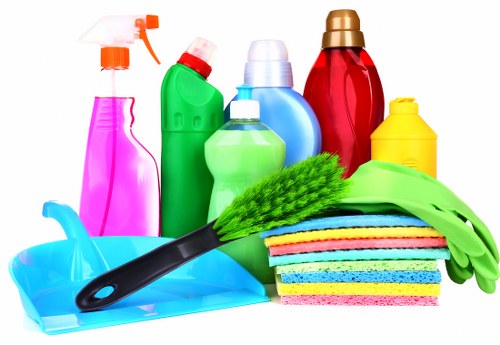
Domestic cleaning affects more than appearance. A tidy home can improve mental clarity, reduce clutter-related stress, and create a more pleasant atmosphere for family members and guests. When domestic cleaning becomes part of a regular routine, small messes do not build into larger problems. That saves time, lowers frustration, and protects surfaces, fabrics, and fittings from unnecessary wear.
Another major benefit of domestic cleaning is hygiene. Dust, grease, food residue, and moisture can quickly become breeding grounds for bacteria, mold, and unpleasant odors. Regular domestic cleaning helps reduce these issues before they spread. This is especially important in kitchens, bathrooms, entryways, and high-touch areas like light switches, handles, and remote controls.
Domestic cleaning also supports long-term home care. Floors last longer when they are vacuumed and mopped properly. Kitchen appliances stay more efficient when grease and grime are removed. Bathrooms remain fresher when soap scum and limescale are dealt with early. In other words, domestic cleaning protects both your comfort and your investment in the home.
Core Areas That Need Regular Domestic Cleaning
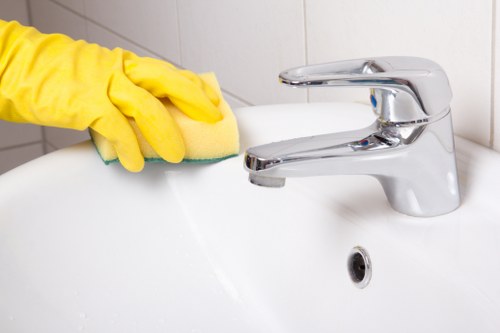
Every home has specific areas that require consistent attention. While the exact routine varies depending on household size and lifestyle, some spaces always demand more focus than others. Domestic cleaning works best when you prioritize the rooms that get the most use and accumulate the most dirt.
The kitchen is often the heart of the home, but it is also one of the busiest areas to clean. Spills on worktops, crumbs on floors, grease on cabinet doors, and residue around sinks all need regular attention. Domestic cleaning in the kitchen should include wiping surfaces, cleaning appliances, sanitizing food-prep areas, and emptying bins before odors develop.
The bathroom is another crucial area. Because bathrooms contain moisture, soap residue, and frequent human contact, they require more than a quick wipe-down. A good domestic cleaning routine should include toilets, sinks, mirrors, taps, showers, baths, and flooring. Keeping this room clean reduces odors and helps maintain a fresh, sanitary space.
Living Rooms, Bedrooms, and Hallways
Living rooms and bedrooms may seem less demanding, but they still benefit from regular domestic cleaning. Dust accumulates on shelves, skirting boards, electronics, lamps, and fabric surfaces. Bedrooms also need bedding changes, mattress care, and floor cleaning. Hallways, meanwhile, carry dirt from shoes, bags, and daily traffic, making them a common source of hidden mess.
How to Build a Practical Domestic Cleaning Routine
A strong domestic cleaning routine is realistic, not perfect. The most effective approach is one that fits your schedule and household needs. Rather than trying to clean everything at once, many people find better results by dividing tasks into daily, weekly, and monthly jobs. This keeps domestic cleaning manageable and prevents burnout.
Daily tasks should focus on maintenance. These include wiping kitchen counters, washing dishes, putting clutter away, sweeping crumbs, and giving sinks a quick rinse. In busy homes, these small actions can make domestic cleaning feel lighter because they stop dirt from spreading and prevent larger cleaning sessions later.
Weekly tasks should cover deeper cleaning. Vacuuming carpets, mopping floors, scrubbing bathrooms, dusting furniture, changing bedding, and cleaning appliances are all good examples. A weekly domestic cleaning schedule creates consistency and helps maintain a polished home with less effort. For many households, this level of upkeep is enough to keep the home comfortable and visually neat.
Monthly and Seasonal Tasks
Some domestic cleaning jobs only need attention once a month or seasonally. These might include washing windows, cleaning behind furniture, organizing cupboards, wiping baseboards, and checking forgotten corners. Seasonal domestic cleaning is also a good time to declutter wardrobes, deep-clean upholstery, and deal with items that have quietly built up over time.
Useful Techniques for Better Domestic Cleaning Results
Good domestic cleaning is not only about effort; it is also about technique. The way you clean can affect how long results last and how much time you spend repeating the same task. One useful principle is to clean from top to bottom. Start with shelves, light fixtures, and elevated surfaces so dust falls downward, then finish with floors. This prevents you from cleaning the same area twice.
Another effective approach is to work from clean to dirty areas. For example, when domestic cleaning a bathroom, start with mirrors and sinks before moving to the toilet and floor. In the kitchen, begin with counters and appliances before handling the bin area or floor. This method helps reduce cross-contamination and improves overall efficiency.
Microfiber cloths, soft brushes, and vacuum attachments can make domestic cleaning far more effective. Microfiber traps dust instead of moving it around, while brushes help remove grime from grout, taps, and corners. A vacuum with the right attachments can handle furniture, skirting boards, and difficult edges. Using the right tools reduces physical effort and improves finishing quality.
Pay Attention to High-Touch Surfaces
High-touch surfaces deserve extra care in any domestic cleaning plan. Door handles, switches, appliance buttons, banisters, and remote controls can collect bacteria quickly. Wiping these surfaces regularly contributes to a cleaner and more hygienic home. It is a simple habit, but it makes a noticeable difference in daily comfort and household cleanliness.
Choosing the Right Cleaning Products and Tools
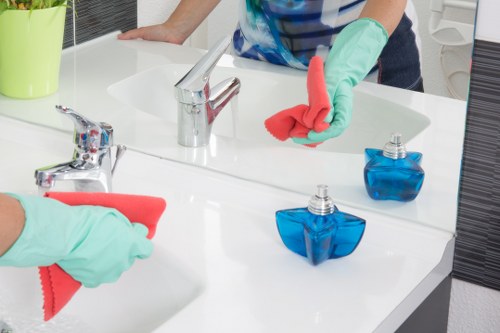
The best domestic cleaning routine depends partly on the products and tools you use. A shelf full of strong products is not always better than a small set of reliable essentials. In fact, many homes only need a handful of carefully chosen items to stay clean. A neutral all-purpose cleaner, bathroom cleaner, glass cleaner, disinfectant, floor cleaner, microfiber cloths, sponges, and a decent vacuum are often enough for most domestic cleaning tasks.
When selecting domestic cleaning products, always consider the surfaces in your home. Wood, tile, laminate, glass, stone, and stainless steel all respond differently. Using the wrong solution can leave marks, dull the finish, or damage delicate materials. Reading labels and checking compatibility helps preserve your home and improves the effectiveness of your cleaning routine.
Eco-friendly domestic cleaning products are also growing in popularity. Many households prefer formulas with fewer harsh chemicals, especially if children, pets, or allergy sufferers are present. Natural alternatives can work well for light cleaning, though it is still important to choose products that are genuinely effective. The goal is a clean, safe home rather than just a pleasant smell.
Essential Tools Worth Having
- Microfiber cloths for dusting and wiping
- A vacuum cleaner with attachments for corners and upholstery
- A mop suitable for your flooring type
- Scrub brushes for bathrooms and grout
- Spray bottles for diluted cleaning solutions
- Rubber gloves for hand protection
These simple tools make domestic cleaning easier, faster, and more consistent. When your equipment is organized and easy to access, you are more likely to stay on top of household cleaning instead of postponing it.
Domestic Cleaning Room by Room
Room-by-room domestic cleaning is one of the easiest ways to stay organized. It prevents overwhelm and helps you focus on the tasks that matter most in each space. A structured room-based method is also useful for families because it allows different people to handle different areas of the home.
In the kitchen, concentrate on sinks, counters, cooker tops, fridge handles, cupboard fronts, and floors. Wipe spills as they happen and avoid leaving dishes overnight if possible. In the bathroom, tackle limescale, soap buildup, and damp surfaces quickly. In the bedroom, focus on bed linen, dust, wardrobes, and under-bed areas. In the living room, dust electronics, vacuum soft furnishings, and keep surfaces clutter-free.
Entryways and Utility Areas
Entryways, utility rooms, and storage spaces are often forgotten in domestic cleaning routines, yet they play a major role in how clean the whole home feels. Shoe dirt, wet umbrellas, cleaning supplies, and laundry can quickly create mess. Regular attention in these spaces helps control clutter and keeps dirt from being carried into other rooms.
Small Habits That Make a Big Difference
Putting items back immediately, wiping spills quickly, and doing a short reset each evening are all simple habits that support domestic cleaning. These actions may seem minor, but they keep the home more orderly and reduce the need for lengthy catch-up sessions.
How Domestic Cleaning Supports Health and Wellbeing
A clean home can support both physical and emotional wellbeing. Dust and allergens can build up in carpets, curtains, and upholstery, affecting people who are sensitive to them. Routine domestic cleaning can reduce airborne particles and improve indoor comfort. This is especially valuable in homes with pets, children, or anyone prone to allergies.
Bathrooms and kitchens need frequent domestic cleaning because hygiene issues can escalate quickly. Food residue attracts pests, damp areas can contribute to mold growth, and contaminated surfaces may spread germs. Keeping these areas clean is not just about appearance; it is about creating a safer living environment.
There is also a mental health benefit. Clutter and mess can create a sense of unfinished work, which some people find stressful. Domestic cleaning helps restore a feeling of control and calm. Even a few minutes of cleaning each day can make a room feel more peaceful and easier to enjoy.
Benefits at a Glance
- Improved hygiene throughout the home
- Reduced dust, grime, and allergens
- Better mood and reduced stress
- Longer-lasting furniture, fixtures, and flooring
- A more welcoming environment for family and visitors
Time-Saving Domestic Cleaning Tips for Busy Households
Busy households need domestic cleaning methods that save time without sacrificing quality. One of the most effective tricks is to clean as you go. If you cook, wipe the counter while waiting for food to finish. If you notice dust, remove it before it spreads. If an item has a permanent place, return it there immediately. These micro-actions keep your domestic cleaning workload under control.
Another useful strategy is to batch similar tasks. Dust all rooms before vacuuming, or clean all mirrors in one round rather than one at a time. This reduces switching between tools and keeps momentum high. Simple planning makes domestic cleaning feel more efficient and less fragmented.
It also helps to keep cleaning supplies where you use them. A bathroom caddy, a kitchen spray bottle, and a general-purpose cloth set in a central storage area can save several minutes each day. The less time you spend gathering tools, the more likely you are to maintain a regular routine.
Make Cleaning Part of the Routine
Turn domestic cleaning into a habit by pairing it with daily activities. For example, clean the sink after brushing your teeth or wipe the kitchen table after dinner. This approach keeps tasks small and prevents the idea of cleaning from becoming overwhelming.
When Professional Domestic Cleaning Makes Sense
While many households manage routine cleaning themselves, there are times when professional domestic cleaning is worth considering. This may be useful for deep cleans, end-of-tenancy cleaning, post-renovation cleanup, or homes that simply need an extra level of support. Professional domestic cleaning can save time and deliver a more detailed finish, especially in hard-to-reach areas.
Professional services are also helpful for larger homes, busy families, or people with physical limitations that make regular cleaning challenging. In these situations, outsourcing some or all domestic cleaning tasks can improve quality of life. It provides consistency and can help reset a home that has fallen behind.
Even if you do not hire help regularly, thinking like a professional can improve your results. Professionals often work systematically, use the right tools for each surface, and follow efficient routines. Adopting a similar mindset can make your own domestic cleaning more effective and less time-consuming.
Common Domestic Cleaning Mistakes to Avoid
Many people clean regularly but still do not get the results they want because of avoidable mistakes. One common issue is using too much product. Excess cleaner can leave residue behind and attract more dirt. Another mistake is cleaning in the wrong order, which often creates extra work.
Using dirty cloths or overloaded vacuum filters can also reduce the effectiveness of domestic cleaning. Tools need maintenance too. A cloth that is already full of dust will not clean properly, and a vacuum with a full bag or container will lose suction. Keeping your tools in good condition makes a noticeable difference.
Ignoring small messes is another problem. A tiny spill in the kitchen or a few crumbs in the hallway may seem harmless at first, but they often become bigger issues if left unattended. Successful domestic cleaning depends on consistency, not perfection.
Better Habits for Better Results
- Use only the amount of product recommended
- Rinse and refresh cloths regularly
- Empty vacuum bins and replace filters when needed
- Work systematically instead of rushing
- Handle spills and marks as soon as possible
Seasonal Domestic Cleaning and Home Refreshing
Seasonal domestic cleaning gives you a chance to reset your home throughout the year. Spring is a popular time for deep cleaning, decluttering, and opening up spaces after winter. Summer may focus more on ventilation, dust control, and managing outdoor traffic. Autumn often brings preparation for colder months, while winter domestic cleaning may center on comfort, warmth, and keeping indoor air fresh.
Seasonal routines are useful because they help you notice things that regular weekly cleaning can miss. Under-sofa dust, forgotten shelves, cupboard organization, and fabric care often benefit from a deeper approach. A seasonal domestic cleaning session can make your home feel renewed without requiring a full renovation or major effort.
These refresh routines are also ideal for checking supplies, sorting unused items, and deciding which areas need more attention. Over time, seasonal domestic cleaning creates a more balanced household rhythm and keeps the home from drifting into clutter.
Simple Seasonal Priorities
Rotate bedding and fabrics, clean hidden areas, and reassess storage spaces to keep your domestic cleaning routine aligned with the changing season. Small adjustments can have a big impact on comfort and cleanliness.
Making Domestic Cleaning Work for Every Household
There is no single domestic cleaning method that suits every home. A couple living in a small flat will not clean in the same way as a family in a large house, and shared homes have different priorities from single-occupancy homes. The best domestic cleaning routine is the one that reflects your space, habits, and schedule.
For some households, daily fifteen-minute resets are enough. For others, a structured weekly plan works better. Some people prefer cleaning one room at a time, while others like to complete one task across the whole property. The key is consistency. When domestic cleaning becomes a regular part of life, it stops feeling like a burden and starts becoming a normal, manageable habit.
Ultimately, domestic cleaning is about creating a home that works for you. It supports comfort, hygiene, and peace of mind. It makes rooms more pleasant, reduces avoidable problems, and helps your home stay in better condition for longer. Whether you handle the work yourself or supplement it with professional support, a thoughtful domestic cleaning approach is one of the best investments you can make in your living environment.
Ready to enjoy a fresher, healthier home? Book your service now or contact us today to take the next step toward easier domestic cleaning and a more comfortable home.