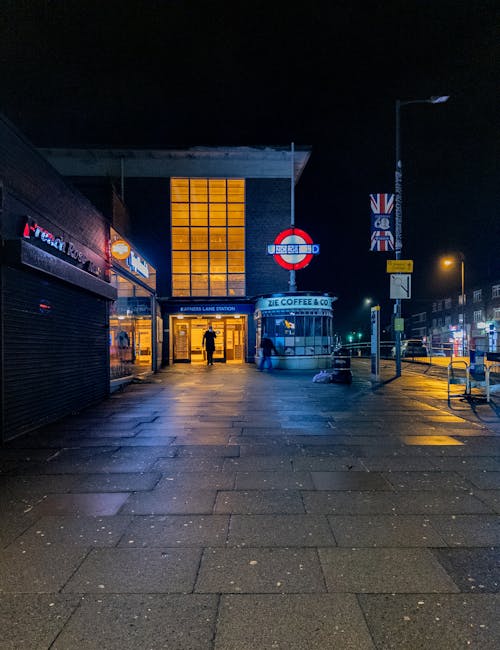
Green Lanes Carpet Cleaning Guide for Harringay Shops
If you run a shop on Green Lanes, you already know the floor tells a story before your staff even say hello. Mud from a wet morning, coffee near the counter, tracked-in grit, bits of packaging, the odd spill from a rushed lunch break-it all builds up fast. This Green Lanes carpet cleaning guide for Harringay shops is here to help you keep that story a better one: cleaner, fresher, safer, and a bit more welcoming for customers and staff alike.
In practice, carpet care for a shop is not the same as carpet care at home. Footfall is heavier, opening hours are tighter, and there is usually less room to shut everything down for a deep clean. So the trick is not just cleaning more often. It is cleaning smarter. Below you will find a practical guide covering what matters, how professional cleaning works, what to avoid, and how to choose the right approach for a busy retail space. If you also need a wider view of local services, you may want to look at the main carpet cleaning service in Harringay and the broader services overview.
To be fair, a clean carpet does more than look tidy. It can quietly improve the whole feel of the shop. People notice the smell, the brightness, the sense of care. They may not say it out loud, but they feel it.
Table of Contents
- Why Green Lanes carpet cleaning guide for Harringay shops Matters
- How Green Lanes carpet cleaning guide for Harringay shops Works
- Key Benefits and Practical Advantages
- Who This Is For and When It Makes Sense
- Step-by-Step Guidance
- Expert Tips for Better Results
- Common Mistakes to Avoid
- Tools, Resources and Recommendations
- Law, Compliance, Standards, or Best Practice
- Options, Methods, or Comparison Table
- Case Study or Real-World Example
- Practical Checklist
- Conclusion
- Frequently Asked Questions
Why Green Lanes carpet cleaning guide for Harringay shops Matters
Green Lanes is busy. That is part of its appeal, of course. The street has constant movement-delivery drivers pulling up, commuters passing by, families out for errands, customers popping in and out without much notice. All that activity brings dirt inside. And once it is in the carpet, it tends to hang around. A vacuum can lift surface dust, but it will not pull out the deeper grime, oils, and residues that sit below the fibres.
For a shop, carpet condition affects more than appearance. It can shape first impressions, influence comfort, and even affect how long the flooring lasts before replacement becomes necessary. If your business has a reception area, fitting room, waiting corner, or customer-facing counter space, the carpet is part of the brand whether you planned it or not.
There is another side to it too. Dirty carpets can trap fine dust and odours. In a small retail space, that can make the air feel stale by mid-afternoon, especially on warmer days. Not dramatic, just unpleasant. A proper cleaning schedule helps keep the space lighter and easier to work in.
For shop owners thinking about the wider property value or future lease discussions, it is worth remembering that presentation matters. If you are weighing up premises decisions in the area, the local perspective shared in Harringay home buying insights and the real estate investment guide for Harringay offers a useful reminder: well-kept interiors tend to support better long-term value, not just prettier photos.
Key point: for shops on or near Green Lanes, carpet cleaning is not a cosmetic extra. It is part of day-to-day retail presentation, hygiene, and upkeep.
How Green Lanes carpet cleaning guide for Harringay shops Works
Professional carpet cleaning for shops usually follows a simple but careful process. The details vary by method and carpet type, but the overall logic stays the same: inspect first, remove loose soil, treat stains, deep clean, then dry properly.
1. Inspection and fibre check
A cleaner should first look at the carpet material, pile type, wear patterns, and problem areas. Retail carpets often have uneven soiling. The entrance may be darker, the till area sticky, and the back corners surprisingly dusty. That pattern helps decide whether a hot water extraction clean, low-moisture method, or a more targeted approach is most suitable.
2. Pre-vacuuming and dry soil removal
Loose grit is removed before wet cleaning starts. This matters more than people think. If you skip this step, the soil can turn to mud during cleaning and work deeper into the fibre. No one wants that.
3. Spot treatment
Spills, chewing gum residue, food marks, and drink stains are treated before the main clean. A good cleaner will test the treatment in an inconspicuous area first, because some dyes and backing materials react badly to strong products.
4. Main cleaning method
Depending on the carpet and the shop's schedule, the cleaner may use hot water extraction, encapsulation, bonnet cleaning, or another suitable method. Each has different drying times and strengths. We will compare them later.
5. Drying and finishing
Drying is where many retail jobs succeed or fail. If the carpet stays damp too long, it can slow trading, create odours, or make the space feel uncomfortable. Airflow, fans, open access where practical, and scheduling during quieter periods all help. Honestly, this is the bit people underestimate.
If your business uses upholstered seating as well, it can make sense to coordinate carpet work with upholstery cleaning in Harringay. Matching the two keeps the shop looking consistent rather than half-refreshed and half-tired.
Key Benefits and Practical Advantages
There are the obvious benefits, and then there are the ones that only show up once you have lived with a cleaner shop for a while.
- Better customer impression: A clean floor quietly signals care, discipline, and attention to detail.
- Improved comfort: Fresher carpets can make the air feel cleaner and the room feel more pleasant to spend time in.
- Longer carpet life: Removing gritty soil before it wears down fibres can delay replacement.
- Odour control: Deep cleaning helps with lingering smells from foot traffic, food, damp umbrellas, or stock rooms.
- Safer surfaces: Proper cleaning can reduce slip risks from residue or sticky patches, especially near entrances.
- Better stain management: Regular maintenance makes permanent marking less likely.
- More professional staff environment: People do notice when the workplace feels cared for. It lifts morale a bit, simple as that.
There is also a commercial benefit that is easy to overlook: a better-maintained shop often feels more trustworthy. That matters for boutiques, salons, convenience stores, estate agents, small showrooms, and any business where people make decisions on the spot. The carpet is part of the atmosphere.
Practical summary: if a customer can see dirt at the entrance, they may assume the rest of the business has similar standards. That assumption is unfair, but it happens all the time.
Who This Is For and When It Makes Sense
This guide is most relevant for shop owners, managers, landlords, and fit-out coordinators dealing with premises on or near Green Lanes and wider Harringay. It is especially useful if your space has:
- customer footfall throughout the day
- an entrance that picks up street dirt quickly
- display areas with fitted carpet or carpet tiles
- waiting areas, consultation corners, or seating zones
- food and drink spills from staff use or customer service
- past cleaning issues such as odour, staining, or patchy appearance
It makes sense to arrange a deep clean when carpets start looking dull, when spot cleaning stops working, or when seasonal grime becomes obvious. A lot of businesses wait too long. They keep vacuuming, hoping the problem will somehow sort itself out. It rarely does.
Shop refurbishments, new tenancy handovers, post-event resets, and pre-inspection preparation are also sensible times. If the premises are changing hands or being returned at the end of a lease, you may also find the advice on end of tenancy cleaning in Harringay useful, because carpet care often forms part of the handover conversation.
Step-by-Step Guidance
If you want a reliable routine rather than a one-off rescue, here is a sensible way to approach shop carpet cleaning.
- Assess the traffic pattern. Note where people walk most, where dirt gathers, and which areas show wear fastest. Entrance strips, till points, and pathway lines are usually the first trouble spots.
- Vacuum properly and often. Daily vacuuming may be enough in some shops; busier premises may need more frequent attention. Slow, overlapping passes work better than a quick once-over.
- Deal with spills quickly. Blot, do not scrub. Scrubbing can spread the stain and distort the pile. Use a mild, suitable treatment and test it first if you are unsure.
- Choose the right cleaning method. Match the method to the carpet type, drying window, and business hours. A busy shop with limited downtime may need a low-moisture approach.
- Protect the drying area. Put up signs, reroute foot traffic if needed, and avoid letting customers or staff walk over damp fibres.
- Review the result the next day. Check for wicking, leftover marks, or flat patches once the carpet is fully dry. Sometimes stains reappear as moisture rises through the pile. Annoying, yes, but common.
A small real-world note: one busy retail space might need a full deep clean every few months, while another can stretch longer if entrances are protected and vacuuming is strong. The right interval depends on use, not guesswork.
For owners who also oversee a nearby office or mixed-use space, the same structured approach applies to office cleaning in Harringay. It is all about routine, not drama.
Expert Tips for Better Results
These are the little things that make a real difference.
- Use entrance mats properly. A good mat system can reduce the amount of grit that reaches the carpet in the first place.
- Keep vacuum bags or filters in good condition. A tired vacuum does a tired job. Bit obvious, but easy to forget.
- Focus on edges and corners. Dirt collects there, especially in shelving areas and along walls.
- Avoid soaking the carpet. More water does not automatically mean better cleaning. In fact, it can make drying slower and leave residue behind.
- Schedule cleaning outside busy hours. Early morning or after close is often less disruptive.
- Ask about pH and fibre compatibility. Different carpet materials need different treatment strengths.
- Keep a stain log. Sounds fussy, but it helps identify repeated problems near particular products, tills, or entrances.
If your shop has a waiting area or informal seating, pairing carpet care with house cleaning-style detail may sound odd, but the principle is the same: attention to the corners, the touchpoints, the places customers actually notice.
One practical rule: clean before the carpet looks bad, not after. Prevention is cheaper than rescue cleaning, nearly always.
Common Mistakes to Avoid
There are a few patterns that come up again and again in retail settings.
- Waiting too long between cleans. Once grime has settled deep into the pile, removal becomes harder and less even.
- Using the wrong stain remover. Harsh chemicals can bleach, spread, or permanently mark the carpet.
- Ignoring drying time. A carpet that is technically clean but still damp can be a nuisance for business operations.
- Cleaning only the visible centre area. The edges, corners, and entrances often need more attention than the middle.
- Assuming all carpets respond the same way. Carpet tiles, wool blends, and synthetic commercial flooring behave differently.
- Skipping protective matting. This makes each clean more difficult than it needs to be.
A slightly awkward but common mistake is treating cleaning like a one-off emergency fix. The truth is, the best results come from a routine with occasional deeper intervention. Not glamorous, but effective.
Tools, Resources and Recommendations
For day-to-day maintenance, a small toolkit goes a long way. You do not need a warehouse full of gear. You need the right basics and a sensible schedule.
| Item | Best Use | Notes |
|---|---|---|
| Commercial vacuum cleaner | Daily soil removal | Choose one with strong suction and good edge cleaning |
| Entrance matting | Reducing tracked-in dirt | Place at entry points and keep it clean too |
| Spot-clean kit | Immediate spill treatment | Use carpet-safe products and test first |
| Air movers or fans | Faster drying after deep cleaning | Helpful for shops with tight trading windows |
| Protective signage | Managing customer access during drying | Simple, clear, visible signs work best |
When choosing a professional cleaner, ask sensible questions. What method will they use? How long will drying take? Do they understand commercial carpets? Can they work around your opening hours? Are they covered by appropriate insurance? Those are normal questions, not fussy ones.
It also helps to review the company background and process. Pages like about us and insurance and safety are useful for building trust before you book. If you want to compare the practical side first, take a look at pricing and quotes. And if you care about how payments are handled, the payment and security page is worth a read too.
Law, Compliance, Standards, or Best Practice
For most shops, carpet cleaning is less about a single legal rule and more about meeting reasonable standards of cleanliness, safety, and care. In the UK, businesses generally need to keep premises maintained in a way that is safe for staff and visitors. That includes reducing avoidable slip risks, keeping walkways clear, and using cleaning products responsibly.
Because this is a practical business area rather than a highly regulated niche, it is sensible to stay broad and careful: follow product instructions, keep records where appropriate, and use contractors who understand commercial settings. If a cleaner is using chemicals or machinery, they should work in line with standard health and safety practice and be able to explain their approach plainly.
For businesses sharing a building or operating in mixed-use premises, coordination matters. Cleaning should not interfere with neighbouring tenants, fire routes, or public access. Simple things like signage, timing, and clear communication help avoid trouble. A bit of common sense, really.
You can also review the company's own policies, such as the health and safety policy, terms and conditions, and complaints procedure if you want reassurance about how things are handled if something does not go to plan. That kind of transparency is a good sign.
Options, Methods, or Comparison Table
Different carpet-cleaning methods suit different shop environments. There is no single winner for every situation, so the best choice depends on carpet type, soil level, drying time, and how much disruption you can tolerate.
| Method | Best For | Pros | Watch Out For |
|---|---|---|---|
| Hot water extraction | Deep soil, heavier traffic, thorough refresh | Strong cleaning power, good for embedded dirt | Longer drying time; needs proper ventilation |
| Encapsulation | Routine maintenance, faster turnaround | Lower moisture, quicker drying | May be less intensive on heavy staining |
| Bonnet cleaning | Surface refresh in busy commercial areas | Fast and convenient | Can be more of a surface method if overused |
| Targeted spot treatment | Specific stains or problem patches | Good for localised issues | Not a substitute for whole-floor cleaning |
For many Harringay shops, a mixed approach works best: vacuum regularly, use spot treatments as needed, and schedule periodic professional cleaning using the method that suits trading hours. If you also manage a premises that doubles as a home or mixed-use property, the practical guidance in domestic cleaning in Harringay can help you compare what belongs in a routine clean versus what needs a specialist approach.
Case Study or Real-World Example
Imagine a small shop on Green Lanes with a carpeted entrance, two display aisles, and a rear consultation area. After a wet stretch in autumn, the entrance starts to look dark and flattened. Customers are not complaining, exactly, but the owner notices the shop feels a bit less fresh by lunchtime. There is also a faint street-dust smell when the door shuts behind someone.
The fix is not dramatic. The owner introduces a better entrance mat, increases vacuuming around the threshold, and books a deep clean before the weekend rush. The cleaner treats the entrance separately, pays attention to edge build-up, and uses a method that allows the floor to dry before opening the next morning. The result is not just a brighter carpet. The whole front area feels sharper. Customers linger a little longer. Staff mention that the space feels easier to keep tidy.
Nothing magical happened. No miracle product, no miracle promise. Just the boring, useful combination of routine maintenance, the right method, and decent timing. That is usually how good shop cleaning works, truth be told.
Practical Checklist
Use this checklist before arranging carpet cleaning for your Harringay shop.
- Check which areas get the heaviest foot traffic.
- Identify any stains, smells, or safety concerns.
- Confirm your opening hours and ideal cleaning window.
- Note the carpet type if you know it.
- Ask which cleaning method will be used.
- Ask about drying time and access restrictions.
- Move fragile items, stock, or display stands in advance.
- Make sure staff know which areas are off-limits during drying.
- Use entrance mats before and after cleaning.
- Inspect the results once the carpet is fully dry.
And one more thing: if you are coordinating several cleaning tasks at once, it helps to think in terms of the whole environment, not only the floor. That is where related services like office cleaning and upholstery cleaning can fit neatly into a broader maintenance plan.
Conclusion
A good carpet cleaning plan for a Harringay shop is not complicated, but it does need intention. Regular vacuuming, smart stain response, the right deep-clean method, and decent drying control can keep a retail space looking cared for without causing avoidable disruption. On Green Lanes, where customers pass through quickly and impressions are made in seconds, that matters more than people sometimes admit.
The real win is consistency. Once you know your footfall, your problem areas, and your ideal cleaning rhythm, everything becomes easier. The shop feels better. Staff notice. Customers notice. And you spend less time fighting grime that should never have been left to settle in the first place.
Get a free quote today and see how much you can save.
When you are ready, choose the approach that fits your shop, your schedule, and your standards. Small details add up, and a well-kept floor can quietly do a lot of heavy lifting.
Frequently Asked Questions
How often should a shop on Green Lanes get its carpets cleaned?
It depends on footfall, carpet type, and how quickly the entrance area marks up. Busy shops often need a professional deep clean more regularly than low-traffic premises, while daily vacuuming remains essential either way.
What is the best carpet cleaning method for a retail shop?
There is no universal best method. Hot water extraction is strong for deeper soil, while encapsulation or other low-moisture methods can work well when quick drying matters. The right choice depends on your trading hours and carpet condition.
Can carpet cleaning be done without closing the shop for long?
Often, yes. Many commercial cleans can be scheduled outside opening hours or in stages. Low-moisture methods and good airflow can reduce disruption, but drying time still needs planning.
Will professional carpet cleaning remove all stains?
Not always. Some stains, especially old dye transfer or chemical marks, may be permanent or only partially improved. A good cleaner should explain what is realistic before starting.
How do I stop the carpet near the entrance getting dirty so quickly?
Use proper entrance matting, vacuum frequently, and address grit early. The entrance is usually the hardest-working area, so it needs the most attention. A little prevention goes a long way.
Is carpet cleaning safe for customers and staff?
When done properly, it should be safe. That means using suitable products, following instructions, controlling access during drying, and avoiding slippery residue. Ask the cleaner how they manage health and safety.
Do carpet tiles need a different approach from fitted carpets?
Yes, sometimes. Carpet tiles can tolerate certain methods well, but adhesives, backing, and localised wear all matter. A proper inspection helps decide whether spot treatment or a broader clean is best.
How much does commercial carpet cleaning cost in Harringay?
Costs vary based on the size of the area, soil level, method used, and access requirements. It is better to request a tailored quote than to rely on a rough guess, because shop layouts differ a lot.
Can I clean shop carpets myself?
You can handle routine vacuuming and some spill response yourself, yes. But deep cleaning usually benefits from professional equipment and experience, especially if you need faster drying and more even results.
What should I ask before booking a cleaner?
Ask about the cleaning method, drying time, insurance, access needs, and whether they understand commercial carpets. Those questions are straightforward and sensible. If the answers feel vague, that is worth noticing.
How do carpet cleaning and office cleaning work together in a mixed-use premises?
If your shop includes an office area, reception space, or back-room staff area, it can be smart to coordinate carpet care with a broader cleaning routine. That keeps the whole premises consistent and avoids one area looking neglected beside another.
What if I need more than carpet cleaning?
If your shop also has seating, fabric fixtures, or a more domestic-style layout, other services may help too. A combined approach with related cleaning services can save time and give a more even finish overall.
Sometimes the smallest changes make the biggest difference. A cleaner entrance, a fresher waiting corner, a floor that does not feel tired by midweek-it all adds up, and it makes the day easier.