Carpet stain removal guide Harringay Green Lanes station
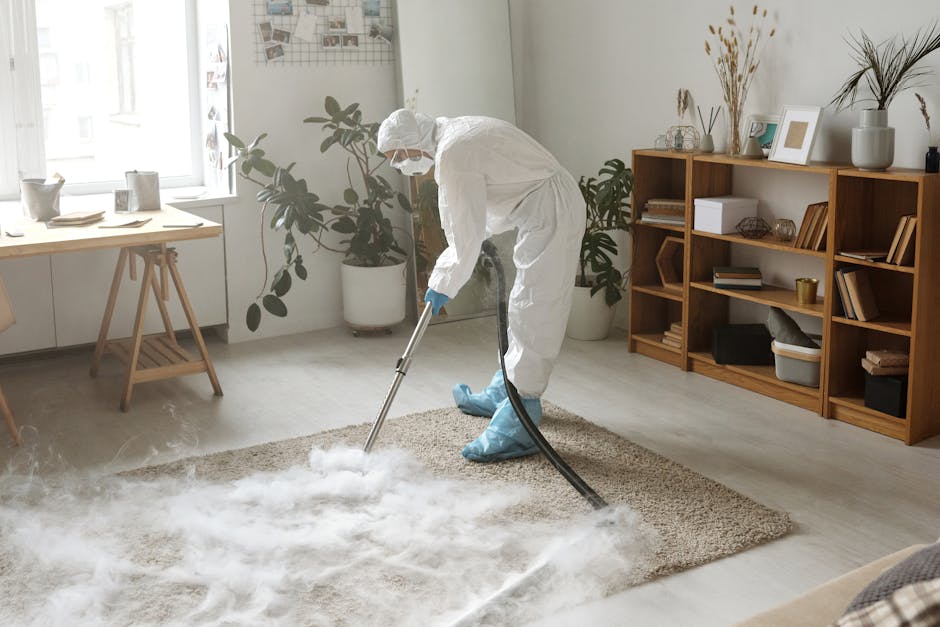
If you live or work near Harringay Green Lanes station, you already know how quickly a carpet can pick up life's little accidents. One dropped coffee on the way in. A muddy footprint after a wet London afternoon. A spill in the hallway that somehow spreads when everyone rushes past. This Carpet stain removal guide Harringay Green Lanes station is designed to help you act calmly, clean safely, and avoid turning a small mark into a permanent one.
The good news? Most common carpet stains can be improved a lot if you move quickly and use the right method. The less good news? A rushed scrub, the wrong product, or too much water can make the stain bigger, push it deeper, or damage the fibres. So let's go through what actually works, what to avoid, and when it makes sense to bring in a professional for stubborn marks.
For readers who want broader support beyond stain removal, the team at carpet cleaning can be a sensible next step, especially if the carpet is older, heavily used, or needs a deeper refresh after repeated spot cleaning.
Why Carpet stain removal guide Harringay Green Lanes station Matters
Carpet stains are more than a cosmetic issue. Around a busy station area, people come and go with wet shoes, takeaway cups, pushed prams, shopping bags, and the occasional accidental spill. That constant movement means carpets can look tired long before they are actually worn out. A stain on the landing or in a hallway also tends to draw the eye, which makes the whole space feel less cared for. Annoying, really.
In flats, HMOs, rented homes, small offices, and shared entrances, spot cleaning matters because the carpet is often part of the first impression. If you are trying to keep a property presentable between tenants, or simply want a home that feels clean when you walk in after a long day, knowing how to tackle stains properly saves time and stress.
It also matters because some stains react badly to heat, bleach, or heavy rubbing. Tea, red wine, pet mess, grease, and dye transfer all need different handling. Treat them as if they are all the same and you risk setting the mark for good. That is the bit people usually find out the hard way.
Expert summary: Fast blotting, minimal moisture, and the right cleaner for the stain type are the three habits that save most carpets. Scrubbing is rarely your friend.
How Carpet stain removal guide Harringay Green Lanes station Works
Good stain removal is really a sequence of small decisions. First, identify the stain type. Then decide whether the carpet fibre and backing can tolerate moisture, agitation, and cleaner chemistry. Then work from the outside of the stain inward, lifting rather than pushing the mark around. Simple in theory, a bit fiddly in real life.
Most spot-cleaning methods follow the same basic logic:
- Remove solids first using a spoon, blunt knife, or paper towel. Do not grind debris into the pile.
- Blot liquid spills with a clean white cloth or paper towel. Press, lift, repeat.
- Test a cleaner in a hidden area if you are not sure how the carpet will react.
- Apply a small amount of solution rather than soaking the area.
- Work gently from the outer edge of the stain toward the centre.
- Rinse lightly if needed, then blot dry thoroughly.
- Finish by drying fast with ventilation, a fan, or open windows where practical.
There is one important distinction to keep in mind: removal and restoration are not always the same thing. Sometimes you can lift most of a stain but still be left with a faint shadow. That is especially common with dye-based spills, old marks, or stains that have already been heat-set. In those cases, a professional deep clean may improve the overall appearance even if no single product can erase the mark entirely.
If the issue is part of a larger cleaning job after decorating, moving, or renovation dust, it may be worth looking at deep cleaning support as well, because spot treatment alone can miss the wider grime that makes a carpet look dull.
Key Benefits and Practical Advantages
The biggest benefit is obvious: your carpet looks better. But there are several practical advantages that often get overlooked.
- Protects carpet life: Removing stains early helps fibres stay cleaner and reduces long-term wear.
- Improves indoor presentation: Useful for homes, rentals, receptions, and communal spaces.
- Reduces odours: Especially where spills involve milk, food, pets, or damp.
- Helps with end-of-tenancy readiness: A good spot-clean can prevent avoidable disputes over visible marks.
- Supports quicker routine cleaning: If stains are dealt with properly, future vacuuming is more effective.
There is also a small but real emotional benefit. A carpet with an obvious stain can make a room feel unfinished, even if everything else is tidy. Remove the mark and suddenly the place feels calmer. More settled. A bit more like home again.
Who This Is For and When It Makes Sense
This guide is for anyone near Harringay Green Lanes station who wants practical stain removal advice without the fluff. That includes:
- homeowners dealing with everyday spills
- tenants trying to keep a property in good shape
- landlords and letting agents managing move-outs
- small businesses with client-facing carpets
- households with children, pets, or frequent visitors
- anyone deciding whether to tackle a stain themselves or book help
It makes sense to DIY when the stain is fresh, the carpet is fairly resilient, and you know what caused the mark. It makes less sense when the stain is old, the carpet is delicate, or the spill involves anything oily, dyed, or biologically messy. In those cases, professional equipment and know-how can save you from making the problem worse.
If your carpet is part of a wider move, renovation, or tenancy change, you may also find it useful to review move-out cleaning or end-of-tenancy cleaning options, because stain removal is often only one piece of the puzzle.
Step-by-Step Guidance
Here is a practical method you can use for most common carpet stains. Keep it simple. Overcomplicating it usually makes things messier.
1. Act quickly, but do not panic
The first few minutes matter most. Get the item or liquid off the carpet, then stop it spreading. If you can reach paper towels, a clean cloth, or even a plain tea towel, use that immediately. You do not need five gadgets. You need speed and control.
2. Identify the stain
Ask yourself what caused it:
- Water-based stains: tea, coffee, squash, juice
- Greasy stains: food oil, butter, makeup, some sauces
- Protein stains: milk, eggs, bodily fluids, pet accidents
- Dye stains: ink, fabric transfer, colourful drinks
That distinction changes your approach. For example, greasy stains usually need a detergent-based cleaner, while protein stains often need cool water and careful deodorising rather than heat.
3. Blot, don't rub
Press straight down with a clean white cloth. Lift. Rotate the cloth to a clean area and repeat. Rubbing frays fibres and can spread pigment deeper into the pile. It may feel satisfying in the moment. It is rarely helpful, though.
4. Use a suitable cleaning solution
Apply a small amount of cleaner to the cloth rather than pouring it directly on the carpet. This keeps the area controlled. For a simple water-based spill, a mild detergent solution is often enough. For anything tougher, follow the product instructions carefully and avoid over-wetting.
5. Work from the outside in
Treat the outer edge first, then move toward the centre. This helps prevent the stain from blooming outward. Keep your pressure light and steady.
6. Rinse lightly if needed
If the cleaner leaves residue, blot with a cloth dampened in clean water. Then blot again with a dry cloth. Residue can attract dirt later, which is frustrating because the stain may seem to come back. Sometimes it is not the stain returning; it is soil sticking to leftover cleaner.
7. Dry thoroughly
Drying matters more than people think. A damp patch can leave marks, encourage odour, and make the area feel rougher. Use ventilation, a fan, or open windows if appropriate. Don't walk on it too soon, unless you enjoy re-soiling your own hard work.
8. Repeat carefully if needed
If the mark improves but does not fully disappear, repeat the process once or twice rather than escalating immediately to a harsh chemical. If the stain is not shifting after careful attempts, that is a useful signal. It may be time to stop and get expert help.
Expert Tips for Better Results
A few small habits make a big difference. These are the details that tend to separate a decent result from a truly clean finish.
- Use white cloths: Coloured cloths can transfer dye when damp.
- Work in daylight if possible: Stains are easier to judge near a window than under a warm lamp.
- Test first on a hidden patch: Especially for wool, patterned carpets, and anything old.
- Keep the area small: A controlled patch is easier to dry and easier to fix.
- Do not saturate the underlay: Too much moisture can create odours and slow drying dramatically.
- Vacuum after drying: It helps restore the pile and remove loosened residue.
One useful rule of thumb: if the stain has a smell as well as a visible mark, treat odour as part of the problem. A carpet can look clean and still hold an unpleasant trace underneath. Happens more often than you'd think, especially with food spills or pets.
And a small human truth? Sometimes the best result is knowing when to stop. If you have already improved the mark and the fibres look sound, overworking it for an extra five percent can be the thing that ruins it. Slightly annoying, yes, but true.
Common Mistakes to Avoid
This is where many well-intentioned DIY attempts go sideways.
- Scrubbing hard: It damages pile structure and can roughen the surface.
- Using too much water: This can spread the stain and soak the backing.
- Applying bleach on carpet: Bleach can strip colour and leave a permanent pale patch.
- Using the wrong heat: Hot water can set some stains, especially protein-based ones.
- Skipping the test patch: One minute of caution can save a very expensive mistake.
- Ignoring residue: Cleaner left behind often attracts fresh dirt.
- Waiting too long: Old stains bond more deeply and become harder to lift.
Another common issue is using too many products one after another. This can create a chemical mess, particularly if one cleaner reacts with another. If a first attempt fails, rinse and reset before trying anything else. No need to turn the spot into a science project.
Tools, Resources and Recommendations
You do not need a van full of kit. A sensible home set-up is usually enough for basic stain response.
| Tool or item | Why it helps | Best use |
|---|---|---|
| White microfibre cloths | Blotting without colour transfer | Most liquid spills |
| Paper towels | Fast initial absorption | Fresh accidents and overflow |
| Soft spoon or blunt scraper | Lifts solids safely | Food or mud |
| Mild detergent solution | Useful for general cleaning | Water-based stains |
| Clean spray bottle | Controlled application | Small targeted treatment |
| Dry towel or absorbent pad | Speeds up drying | After rinsing |
For larger or repeated problems, it is worth checking a professional pricing and quotes page before deciding whether to buy more products or book a visit. Sometimes the cost of several cleaners, plus the time spent faffing about, comes close to a proper treatment anyway.
If the carpet is part of a larger domestic refresh, services like house cleaning, domestic cleaning, or even regular cleaning can help keep the whole property on top of things, not just the stain in front of you.
Law, Compliance, Standards, or Best Practice
For carpet stain removal, there is usually no special legal framework for a private household doing a bit of spot cleaning. Still, a few UK best-practice ideas matter, especially in shared buildings, rented homes, and workplaces.
First, safety. Cleaning chemicals should be used in line with the label instructions. That sounds obvious, but it is where many people slip up. Good ventilation matters, especially if you are using stronger products in a small room. If children or pets are around, keep them away until the area is dry and safe to walk on.
Second, tenant and landlord expectations. In rental situations, the goal is usually to return the property in the condition expected under the tenancy terms, allowing for fair wear and tear. A visible stain can become a dispute point, so documenting cleaning attempts and moving quickly helps.
Third, shared spaces. If the carpet is in a communal hallway or business entrance, the approach should be careful and consistent. People may be walking over the area, so drying and slip prevention matter as much as stain removal. For shared properties, a service such as communal area cleaning can be more practical than leaving one resident to handle it alone.
Fourth, insurance and care. If the stain came from an accident involving a rented property, an office, or a managed building, it is sensible to keep a record of what happened, what products were used, and whether the carpet was already damaged. That can help if questions come up later. For reassurance about responsible practice, the company's own insurance and safety information is worth reviewing.
Options, Methods, or Comparison Table
Not every stain needs the same response. Here is a practical comparison of common approaches.
| Method | Best for | Strengths | Limitations |
|---|---|---|---|
| Blotting with water | Fresh drinks, light spills | Simple, low risk, fast | Weak on grease and dye |
| Mild detergent spot clean | General household stains | Flexible and accessible | May leave residue if overused |
| Targeted stain remover | Specific stain types | Can be effective on tougher marks | Needs careful testing |
| Steam or hot water extraction | Broad carpet refresh, larger stains | More thorough, good for deeper soil | May not suit all fibres; drying time matters |
| Professional treatment | Old, large, or stubborn stains | Better equipment, better judgement | Costs more than DIY |
In practice, the right answer is often a mix. For example, a fresh coffee spill might need blotting and mild detergent, then a professional clean later if the same area has had a year of foot traffic. That is normal. Life is messy, carpets even more so.
Case Study or Real-World Example
A typical example: a resident near Harringay Green Lanes station notices a tea spill on a light hallway carpet late in the evening. The spill is fresh, but the household is busy, and someone almost steps through it before it is noticed. The first move is to blot up as much liquid as possible. Then a small amount of diluted detergent is applied with a white cloth. The stain lifts noticeably, but a faint ring remains.
At this point, the temptation is to keep soaking it. Better not. Instead, the area is lightly rinsed, blotted dry, and left to ventilate overnight. By the next morning the mark is much less visible, though the pile looks slightly flattened. A gentle vacuum the following day improves the appearance further.
Now compare that with a red wine spill left until the next afternoon. The fibres have already absorbed pigment, and the stain has dried. In that case, careful DIY treatment may improve things, but a professional clean is more likely to produce a better result. The lesson? Timing matters enormously. Same carpet, same room, very different outcome.
If the carpet is also on a sofa or chair edge, it can be worth considering nearby fabric care too, such as upholstery cleaning or sofa cleaning, especially where spills travel between surfaces.
Practical Checklist
Use this quick checklist before and during stain treatment.
- Identify the stain type before cleaning
- Blot immediately with a clean white cloth
- Remove any solids gently, without rubbing
- Test any cleaner on a hidden patch first
- Apply only a small amount of solution
- Work from the outside toward the centre
- Rinse lightly if residue remains
- Dry the area thoroughly
- Vacuum or brush the pile once dry
- Stop and reassess if the stain is not improving
That last point matters. Sometimes a pause saves the carpet. No drama, just good judgment.
Conclusion
Carpet stain removal near Harringay Green Lanes station is really about timing, restraint, and using the right approach for the right stain. Fresh spills can often be handled well at home if you blot quickly, avoid over-wetting, and dry the area properly. Older or more complex marks are different. They need patience, and sometimes a professional touch.
The aim is not to chase perfection at any cost. It is to keep your carpet looking cared for, reduce stress, and avoid accidental damage. A sensible response now often saves a bigger repair later. That's the whole game, really.
If you would like help with stubborn stains, wider carpet refreshes, or support before a move, take a look at the available carpet care and cleaning services, then choose the option that fits your space and your timeline best.
Get a free quote today and see how much you can save.
Frequently Asked Questions
What is the fastest way to remove a fresh carpet stain?
Blot the spill immediately with a clean white cloth or paper towel, working from the outside in. Use a small amount of suitable cleaner only after testing it in a hidden spot. Fresh stains are always easier to lift than dried ones.
Should I use hot water on carpet stains?
Not straight away. Hot water can set certain stains, especially protein-based ones like milk or some food spills. Cool or lukewarm water is usually safer unless the product instructions say otherwise.
Can I use washing-up liquid on a carpet stain?
In small amounts, a mild detergent solution can work for some water-based or greasy stains. The key is to use very little, blot well, and rinse lightly so residue does not attract dirt later.
Why does the stain come back after cleaning?
That often happens when moisture or residue pulls the stain back up from deeper in the fibres or backing. It can also happen if the area was not dried fully. A second careful rinse and thorough drying can help.
How do I know if the stain is too old to remove myself?
If the stain has been there for days, has already been scrubbed, or has a strong dye or odour component, DIY methods may only improve it partly. At that point, professional treatment is usually the better option.
Will carpet stain removers damage wool carpets?
They can, if the product is too strong or not suitable for wool. Wool needs extra care, a hidden patch test, and gentle moisture control. If you are unsure, play it safe and get advice first.
What should I do about pet stains?
Deal with the area as quickly as possible, remove any solids, blot moisture, and then use a cleaner suitable for organic stains. Odour control matters as much as the visible mark, because pets tend to revisit familiar smells.
Can professional carpet cleaning remove every stain?
No honest cleaner would promise that. Many stains improve dramatically, but some are permanent or have changed the carpet fibre colour. A good professional will explain the likely result before starting.
How often should carpets be deep cleaned in busy homes?
It depends on footfall, pets, children, and whether the property has shared access. In busy homes, a periodic deep clean can help maintain appearance and reduce the build-up of soil that makes stains harder to spot and harder to remove.
Is it worth calling a cleaner for one visible stain?
If the stain is small and fresh, you can often try it yourself. If it is large, old, or on a noticeable area like an entrance or living room centre, professional help can be worth it because the result affects the whole room.
What if I also have marks on rugs or furniture?
Then it may be sensible to look at related fabric care too. A carpet stain often travels with life in the room, and services like rug cleaning or upholstery cleaning can help keep everything consistent rather than half-clean and half-not.
Do I need a professional if the carpet smells but looks fine?
Sometimes, yes. Odour can remain deep in the fibres or underlay even when the surface looks acceptable. If a smell lingers after careful cleaning and drying, a deeper treatment may be needed to properly deal with the source.